
 Men's sports jackets
 Women's sports jackets
Products: 137
- Popularity
- New Arrivals
- Lowest Price
- Highest Price
- On Sale

-20 %
OnVest Challenger Vest
HUF 92,799HUF 115,990
 Sustainable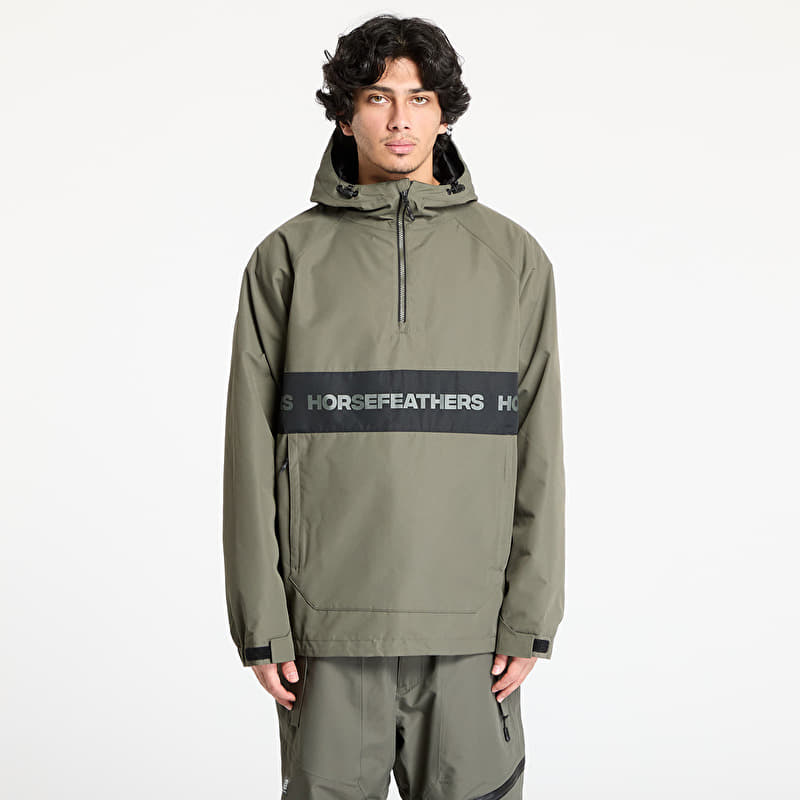
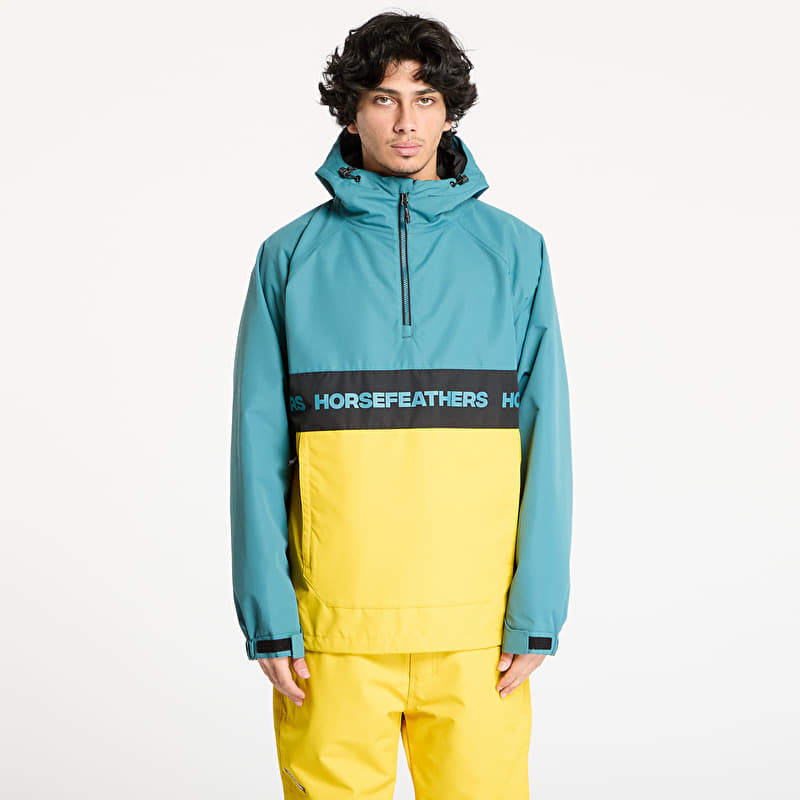
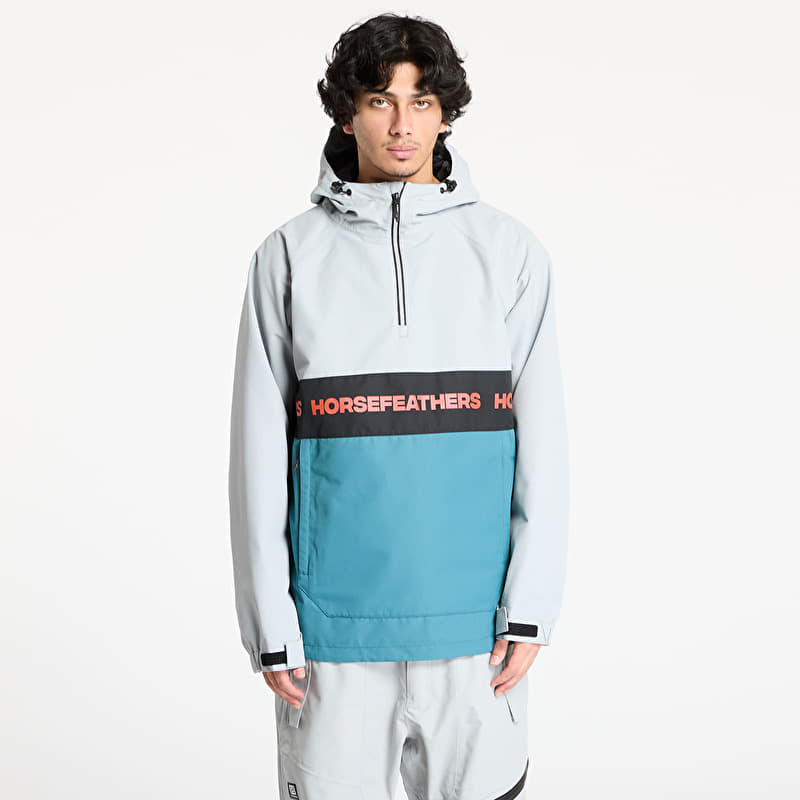
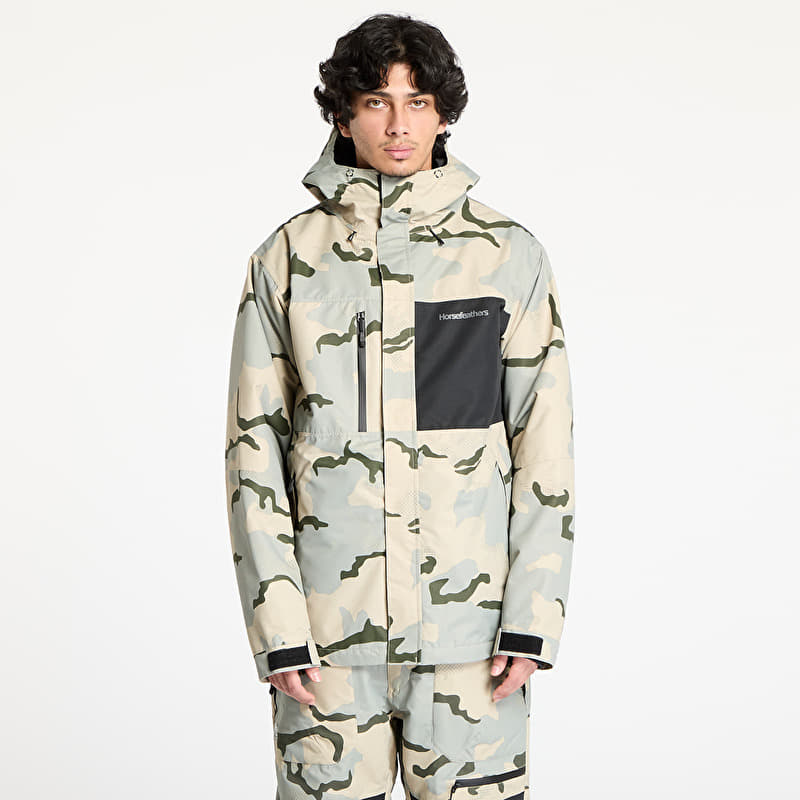
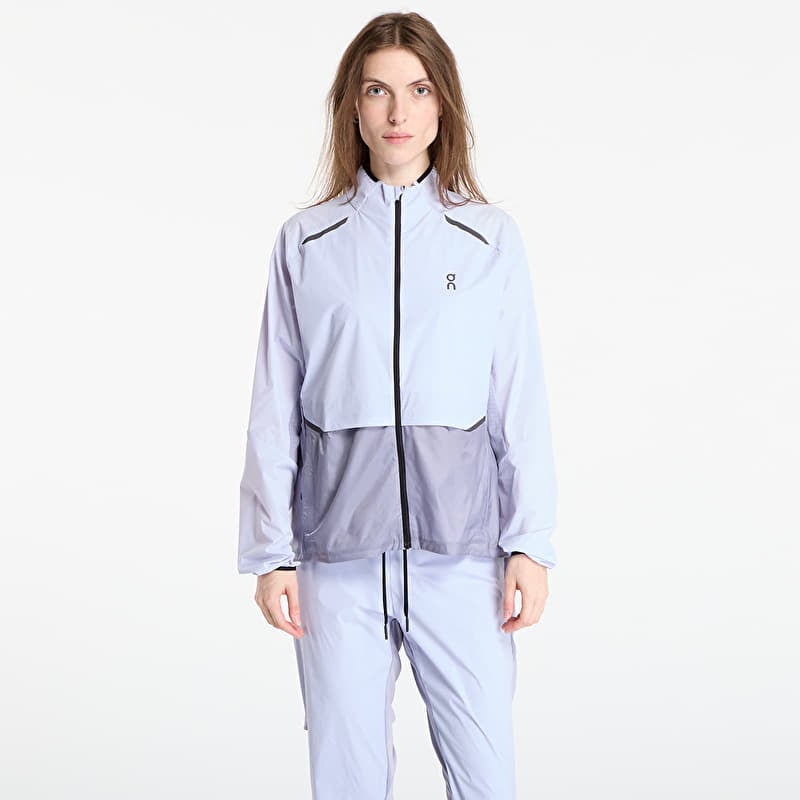
OnWeather Jacket
HUF 99,990
Sustainable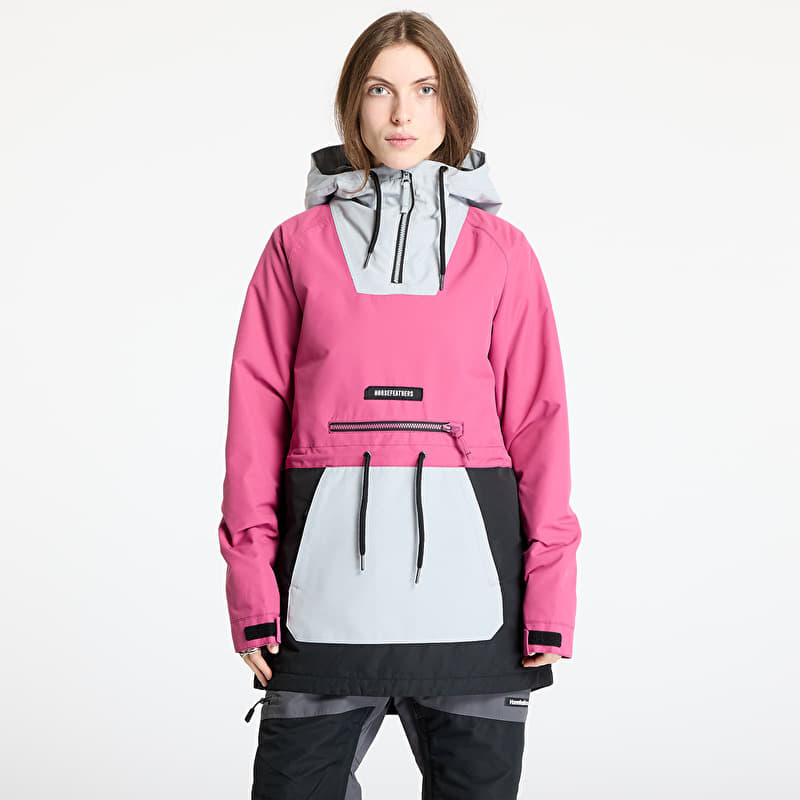
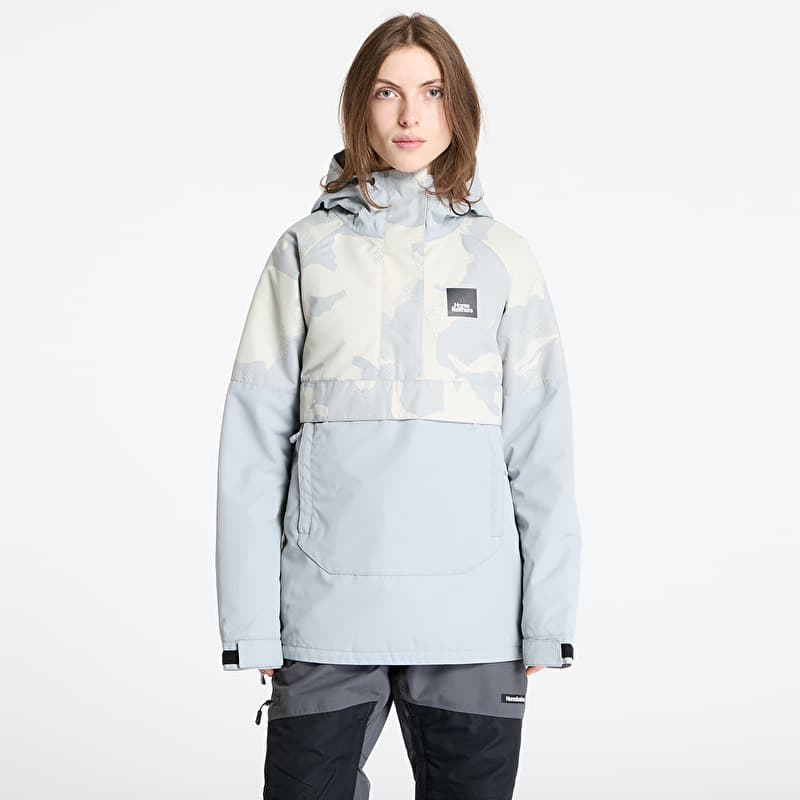
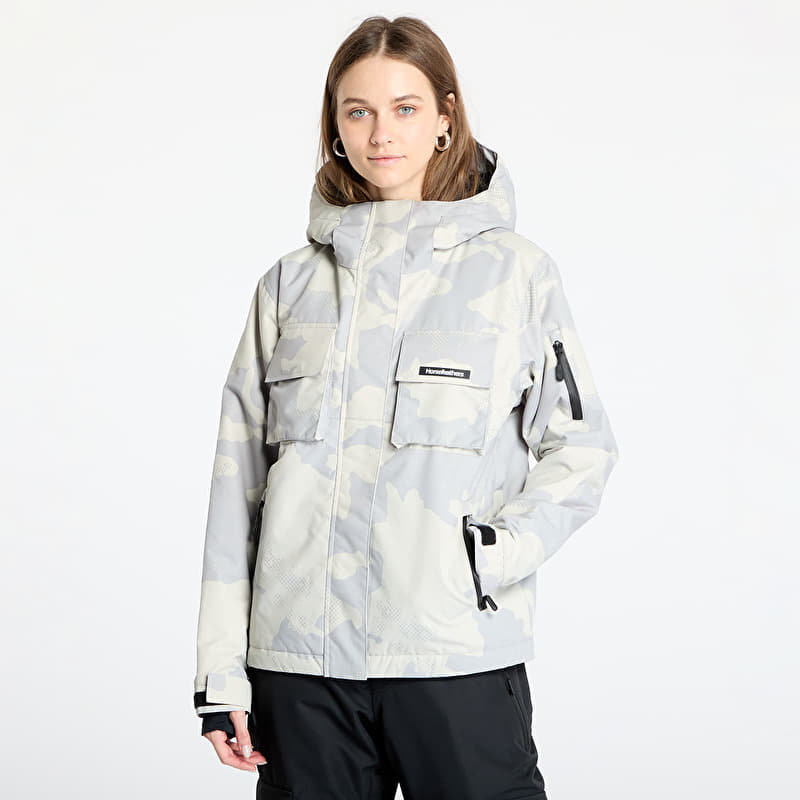

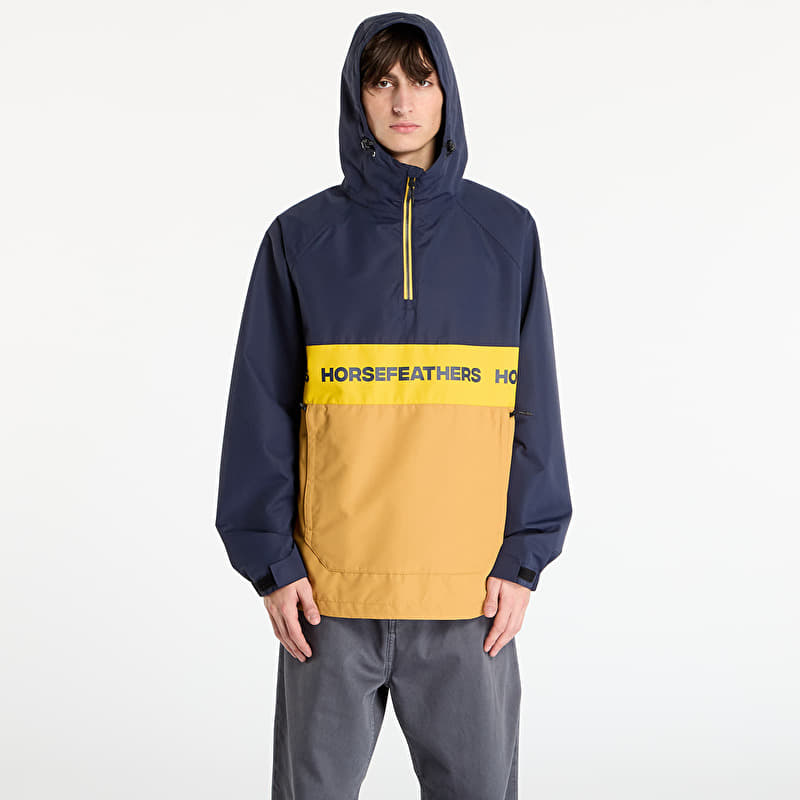
HorsefeathersRecon Jacket
HUF 89,990
Sustainable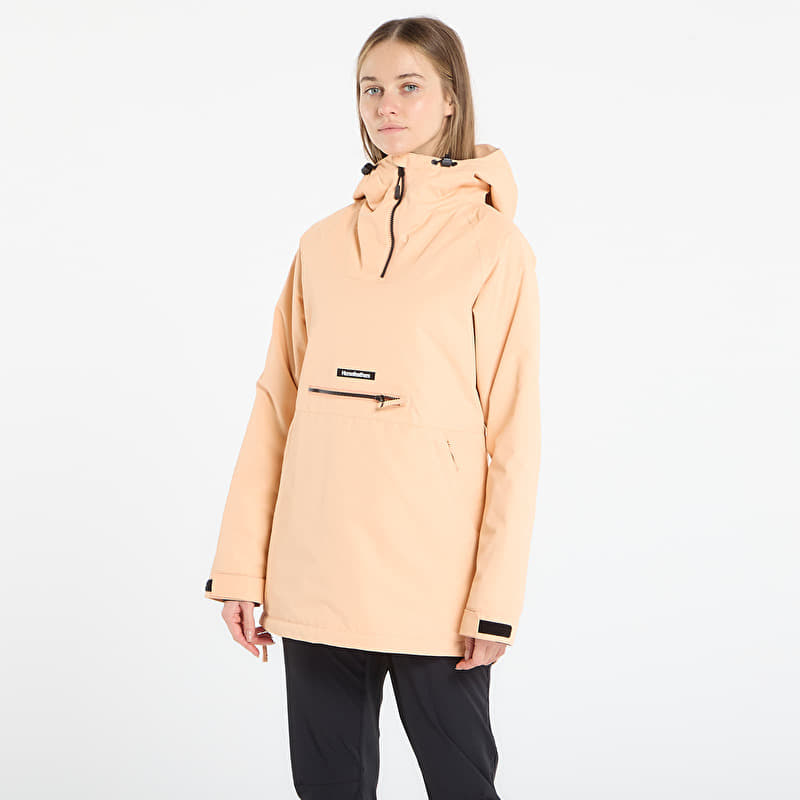
HorsefeathersFiora Jacket
HUF 83,990
Sustainable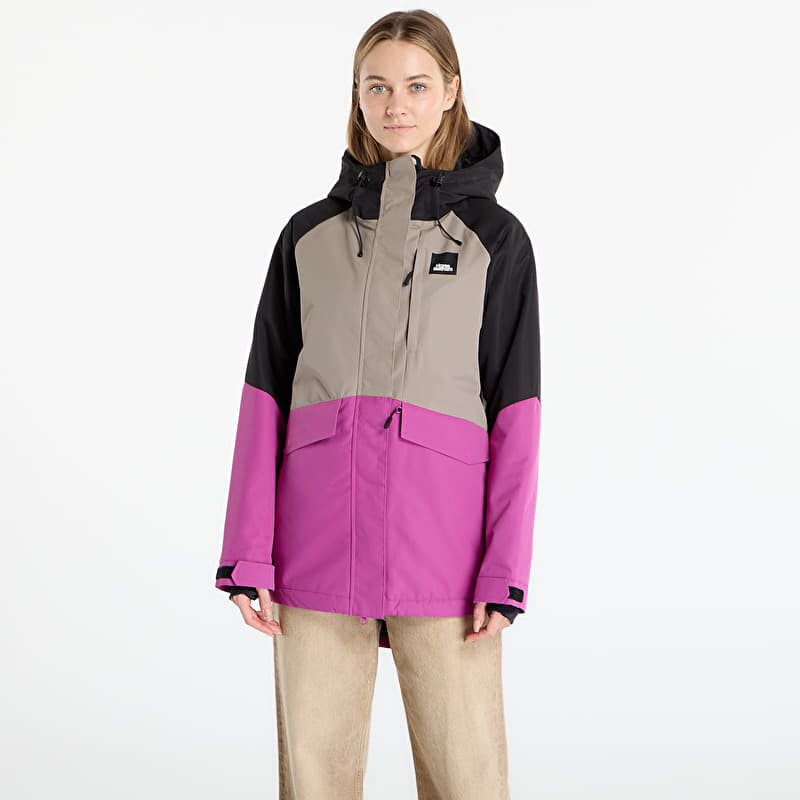
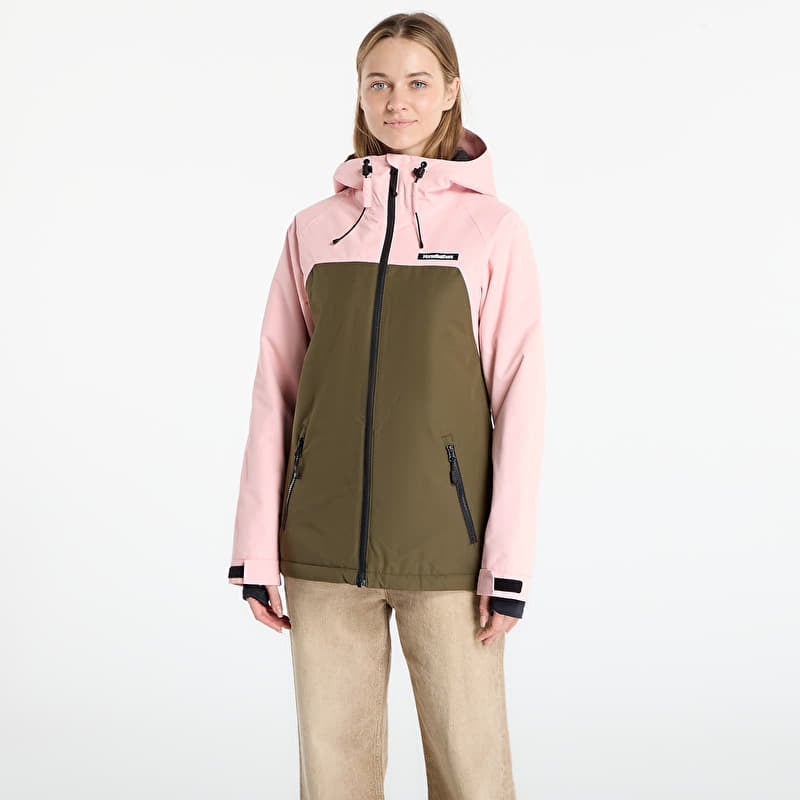

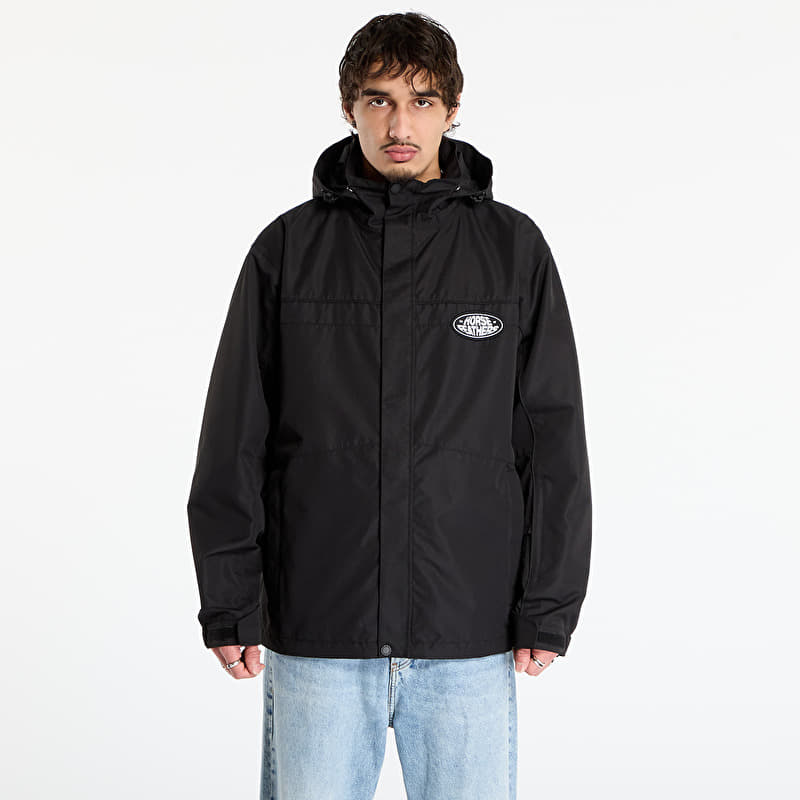
HorsefeathersTay Jacket
HUF 79,990
Sustainable

Sports Jackets
Membranes That Determine Comfort in the Field
A quality sports jacket today relies heavily on the type of membrane it features. The most well-known is Gore-Tex, a membrane accidentally discovered in 1969 by American chemical engineer Robert W. Gore while experimenting with Teflon rods at his father's company – the rapid expansion of polytetrafluoroethylene (PTFE) created micropores that are 700 times larger than a water vapor molecule, yet 20,000 times smaller than a raindrop. This ratio allows the membrane to release sweat while keeping water and wind out.
What to Focus on When Choosing
- Gore-Tex Active: A thinner version of the membrane integrated directly into the lining, designed for active sports like running, ski touring, or cycling – offers the highest breathability in the Gore-Tex family.
- Softshell vs. Hardshell: Softshell is more flexible, less waterproof, but highly breathable – suitable for running or fast hiking in dry conditions. Hardshell, on the other hand, is fully waterproof and windproof, ideal for prolonged rain or mountainous terrain.
- Wind Resistance: For winter running or cycling in windy weather, the membrane protects the body from chilling, even when it may not be raining outside.
Which Sport It’s Suitable For
For outdoor and mountain hiking, you’ll prefer a stiffer, fully waterproof hardshell jacket; for running and cycling, a lighter, more breathable softshell or Gore-Tex Active variant that doesn’t retain heat during intense movement. For Hyrox or functional training outdoors, a thin windbreaker without a membrane is sufficient – it's mainly about quick removal and low weight.